

Uluru
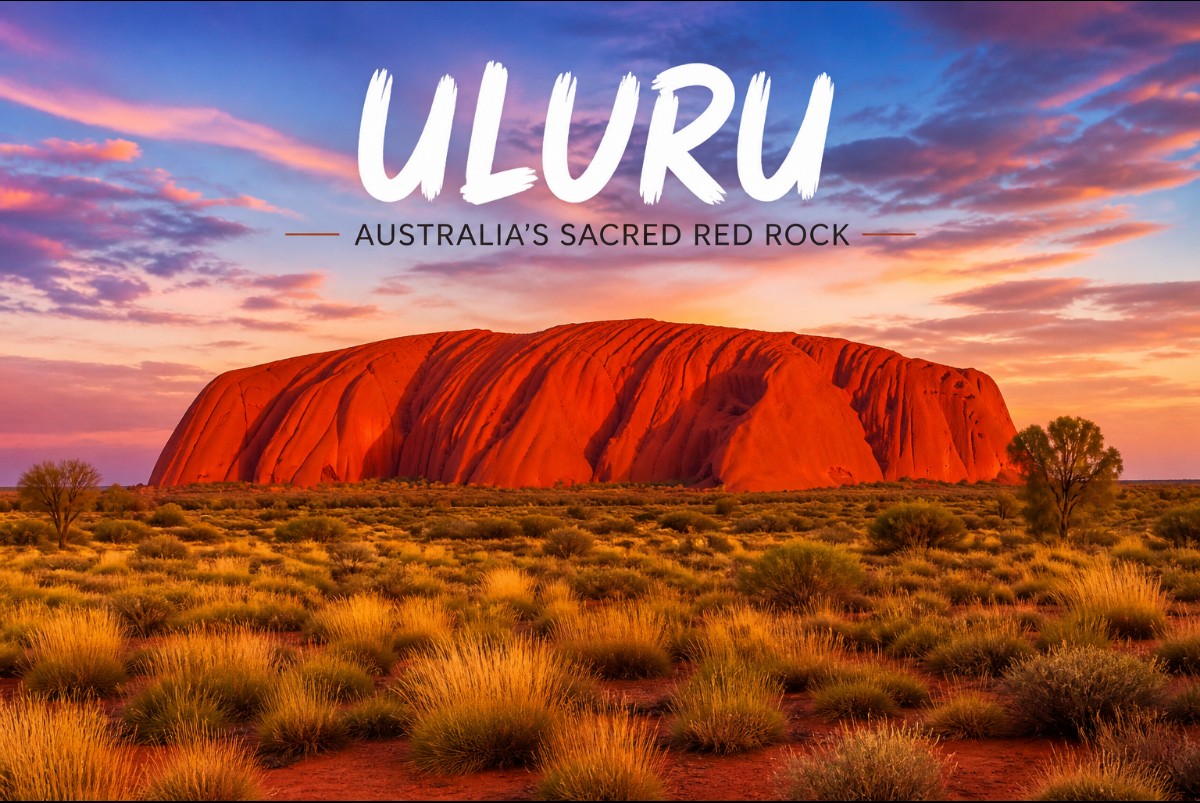
Uluru
Rising dramatically from the red desert landscape of Northern Territory, Uluru is one of Australia’s most iconic natural landmarks. Also known as Ayers Rock, this massive sandstone formation is not only visually striking but deeply significant in terms of culture, history, and spirituality.
A Natural Marvel
Uluru stands over 340 meters high and stretches around 9 kilometers in circumference. What makes it truly fascinating is its ability to change colors throughout the day—from deep red at sunrise to glowing orange at sunset. This unique feature makes it a favorite destination for photographers and travelers from around the world.
Cultural and Spiritual Significance
For the Anangu people, the traditional custodians of the land, Uluru holds deep cultural and spiritual meaning. It is considered a sacred site, with many stories and traditions connected to its formation. Visitors are encouraged to respect local customs, and climbing Uluru has been officially prohibited to preserve its cultural importance.
Tourism and Visitor Experience
Uluru is a major attraction within Uluru-Kata Tjuta National Park. Tourists can explore guided walks around the base, learn about Aboriginal culture, and experience stunning desert landscapes. Nearby, the Kata Tjuta rock formations provide another breathtaking sight worth visiting.
Conservation and Respect
Efforts are in place to protect Uluru’s natural environment and cultural heritage. Sustainable tourism practices ensure that this landmark remains preserved for future generations. Visitors are advised to follow guidelines, stay on designated paths, and respect restricted areas.
A Symbol of Australia
Uluru represents more than just a natural wonder—it reflects Australia’s rich indigenous heritage and connection to the land. Its powerful presence in the heart of the outback makes it a must-visit destination and a symbol of the country’s unique identity.
- Road Trip in Australia - Self Drive Holidays
- Aboriginal Discovery:The Effect on Aboriginal, Impacts and Effects
- Australian Holiday Ideas: Types of Holidays and Ideas to Implement
- Adventure Journeys: Adventure Tourism | Adventure Travel
- Outback Journeys: Australian Outback Tours & Wilderness Tours
- Short Breaks: Weekend Getaways & Short Holiday Deals
- Nature Discovery: Discover the wetlands and wildlife of World Heritage
- Walking Australia: Adventure holidays with Australian Walking Holidays
- Walkabout Planner Australia
- List of Islands of Australia
- List of Lakes in Australia
- List of Valleys of Australia
- List of Waterfalls of Australia
- Coastal Journeys Unlimited
- List of Mountains in Australia
- Uluru
- Sydney
- Kangaroo Island A Wild Escape into Australias Untouched Natural Beauty
- Melbourne
- Margaret River 2026 A Perfect Blend of Wine Coastal Beauty and Relaxed Travel
- Gold Coast
- Blue Mountains
- Lord Howe Island 2026 The Hidden Australian Paradise Redefining Luxury Nature Travel
Travelling Australia

